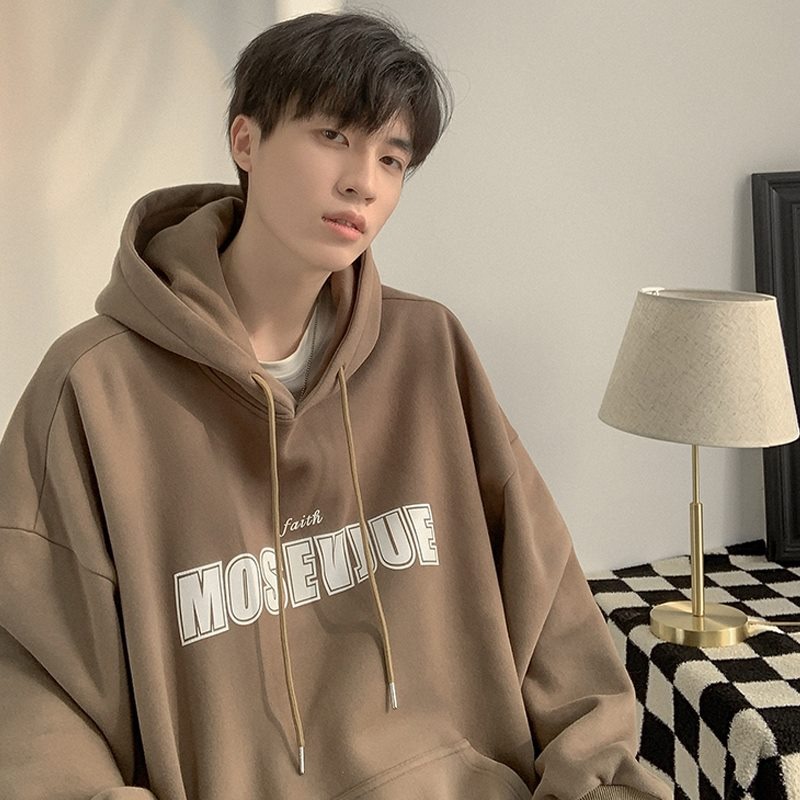
Walk into a modern clothing store and the way garments are presented can be almost as important as the garments themselves. A jacket placed on a mannequin tells a different story from one folded on a shelf. A carefully arranged rack can make certain shapes immediately noticeable, while other pieces may disappear into the background.
This has become particularly relevant as oversized silhouettes have gained more space in American retail. An oversized hoodie takes up more visual room than a traditional fitted sweatshirt, which means retailers have to think differently about how they display it.
Retail presentation is partly about giving a garment enough space to be understood. When several large pieces are tightly packed together, their individual shapes can become difficult to distinguish.
An oversized hoodie can benefit from additional space around the shoulders and sleeves because the wider proportions are easier to appreciate when they are not compressed between other products.
This simple change can make the silhouette look more deliberate and visually substantial.
Hanging a garment shows its construction, but a mannequin demonstrates how the complete silhouette can appear when worn.
Retailers can use different poses and layering choices to communicate the intended character of a collection. An oversized hoodie placed beneath a jacket may suggest one styling direction, while the same piece displayed independently creates another.
The presentation therefore becomes part of the shopping experience rather than merely a method of storing clothing.
Not every garment needs to be displayed fully. Folded clothing can create its own visual rhythm across shelves and tables.
For graphic focused designs, retailers may position garments so that important artwork remains visible. A carefully folded oversized hoodie can reveal enough of a print to attract attention while encouraging shoppers to pick it up and examine the complete design.
Lighting can influence how fabric, color, and printed artwork appear inside a store. Bright overhead lighting may reveal surface details, while more controlled lighting can create a softer visual atmosphere.
For Streetwear Hoodies, this can be especially useful when the collection includes dark colors, washed finishes, or subtle graphics. Small changes in lighting can make certain textures and details more noticeable.
Even the arrangement of clothing can affect how shoppers interpret a collection. Organising products by color creates a different impression from arranging them according to garment type.
A retailer might place several oversized designs together to establish a strong visual block, or separate them throughout the store to create individual points of interest.
Neither approach is automatically better. The right choice depends on the identity the retailer wants the collection to communicate.
Larger silhouettes require more physical space. Wider sleeves, longer bodies, and dropped shoulders can make garments occupy more room both on hangers and when displayed on mannequins.
This means oversized fashion can influence more than product selection. It can also affect spacing between racks, shelf arrangements, fitting areas, and visual merchandising decisions.
An oversized hoodie may therefore have an impact on the environment surrounding it.
Digital retailers face their own version of the display problem. A product photograph has to communicate shape without allowing the shopper to physically touch or examine the garment.
Multiple images can help show the front, back, details, and overall proportions. Close photographs can reveal construction, while wider images demonstrate the complete silhouette.
The goal is similar to physical retail. The shopper needs enough visual information to understand what makes the garment distinctive.
A consistent display style can make separate products feel like part of the same collection. Repeated photography angles, backgrounds, layouts, and product arrangements can establish a recognisable visual language.
For an oversized hoodie brand, this consistency can be especially valuable because the silhouette itself may appear across many different designs.
The presentation does not replace the product. Instead, it gives the product a clearer visual context.
Retail presentation is often treated as something that happens after clothing has been designed. In reality, the two can influence each other.
An oversized hoodie is shaped by its construction, but the way that shape is displayed can determine which details shoppers notice first. A sleeve, graphic, hood, or unusual proportion may become much more significant when it is given the right visual space.
This shows why modern fashion is not only about designing garments. It is also about understanding how those garments will be seen.
The strongest retail experiences bring product design and presentation together. When the display allows the silhouette, artwork, fabric, and construction to remain visible, shoppers can understand the garment before they even try it on.
That relationship between clothing and presentation continues to shape how oversized fashion is introduced to American consumers, both inside physical stores and across digital shopping spaces.

This post has been authored and published by one of our premium contributors, who are experts in their fields. They bring high-quality, well-researched content that adds significant value to our platform.









Dutables provides reliable educational resources, study materials, academic guides, and learning content to help students and educators succeed.