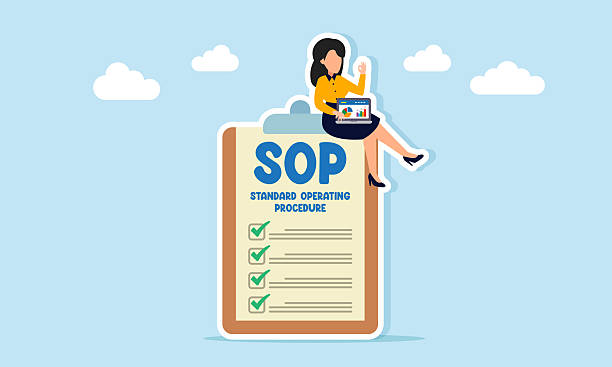
Standard Operating Procedures help small businesses organize tasks, reduce mistakes, and maintain consistent quality. They provide employees with clear instructions, making daily operations smoother and more efficient.
SOPs create a structured approach for completing important activities within a company. They help owners document knowledge, improve accountability, and ensure everyone follows the same processes.
Without proper procedures, businesses often depend on individual experience and memory. Creating SOPs protects valuable knowledge and allows teams to continue operations even when employees change.
A well designed SOP system supports growth by creating repeatable workflows. Small businesses can save time, improve customer experiences, and build stronger internal management practices through documentation.
The first step in creating SOPs is identifying important business processes. Review daily activities, employee responsibilities, and operational challenges to determine which tasks require clear written instructions.
Focus on processes that happen frequently or affect business performance. Areas like customer service, sales, inventory management, accounting, and employee onboarding usually benefit from detailed SOP documentation.
Talk with employees who perform specific tasks regularly because they understand practical challenges. Their experience helps create procedures that are realistic, useful, and easier to follow.
Prioritizing processes allows small businesses to create valuable SOPs without becoming overwhelmed. Start with critical operations and gradually document additional procedures as the business continues expanding.
Before writing an SOP, collect complete information about the process. Observe employees, review existing documents, and record every important step involved in completing the task correctly.
Include details about required tools, responsibilities, timelines, and expected results. Accurate information ensures the SOP provides employees with everything needed to complete activities successfully without confusion.
Ask team members questions about common problems and possible improvements. Their feedback can reveal hidden challenges and help create procedures that make operations more efficient.
Organized research creates a strong foundation for SOP development. When information is accurate and detailed, employees can follow instructions confidently and achieve consistent business results.
Selecting a suitable format makes SOPs easier to understand and use. Small businesses can choose checklist formats, step by step guides, flowcharts, or detailed instruction documents.
The format should match the complexity of the process. Simple tasks may require short instructions, while complicated procedures need detailed explanations with examples and supporting information.
Use clear language and avoid unnecessary technical terms when writing procedures. Employees from different backgrounds should understand the instructions without needing additional explanations or assistance.
A consistent format across all SOPs improves organization. When every document follows similar structures, employees can quickly locate information and complete tasks more effectively.
Writing clear instructions is one of the most important parts of creating SOPs. Each step should explain what needs to happen and how employees should complete the activity.
Avoid vague statements that can create different interpretations. Use specific descriptions, action words, and simple explanations to ensure every employee understands the expected process.
Include important details such as safety requirements, quality standards, and approval procedures. Comprehensive instructions reduce errors and help employees perform their responsibilities properly.
Review the written SOP from an employee perspective. Instructions should be practical, easy to follow, and organized logically so users can complete tasks without unnecessary delays.
Visual elements can improve understanding of complex procedures. Images, diagrams, screenshots, and flowcharts help employees understand processes that may be difficult through written instructions alone.
Small businesses can use visuals for training materials, equipment instructions, software processes, and workplace safety procedures. These additions make SOPs more engaging and easier to remember.
Choose visuals that directly support the instructions. Too many unnecessary images can create confusion, while relevant graphics improve learning and reduce mistakes during task completion.
Combining written instructions with visual support creates stronger SOP documents. Employees can understand procedures faster and perform tasks with greater confidence and accuracy.
After creating an SOP, test the instructions before officially using them. Ask employees to follow the procedure and identify unclear steps or missing information.
Testing reveals practical problems that may not appear during writing. Adjust the document based on feedback to ensure the procedure works effectively in real situations.
SOPs should not remain unchanged forever. Businesses evolve, and procedures must be updated when technology, responsibilities, customer needs, or operational methods change.
Regular reviews keep SOPs valuable and accurate. Establish a schedule for checking documents and making improvements that support better business performance over time.
Creating SOPs is only useful when employees understand how to use them. Provide proper training sessions to explain procedures and answer questions about responsibilities.
Encourage employees to practice new processes while receiving guidance from managers or experienced team members. Practical training helps workers develop confidence and follow procedures correctly.
Make SOPs easily accessible through shared folders, management systems, or printed resources. Employees should quickly find documents whenever they need operational guidance.
Training combined with clear documentation improves workplace consistency. Employees understand expectations better and contribute to smoother business operations with fewer errors and misunderstandings.
Proper storage helps businesses maintain organized SOP libraries. Use digital platforms that allow employees to access current documents while preventing confusion from outdated versions.
Create naming systems that make documents easy to identify. Include information such as department names, process titles, and revision dates for better management.
Limit unnecessary editing access to protect important information. Assign responsible team members who can review updates and maintain document accuracy regularly.
Effective SOP management ensures employees always use reliable information. Organized storage supports business growth and makes future updates easier to complete.
Measuring SOP performance helps determine whether procedures are achieving their goals. Track improvements in productivity, quality, employee performance, and customer satisfaction after implementation.
Collect feedback from employees who use SOPs daily. Their suggestions can identify areas where procedures need adjustments or additional explanations for better results.
Use business data to evaluate improvements created by SOP implementation. Reduced mistakes, faster completion times, and improved consistency indicate successful procedure development.
Continuous measurement helps small businesses strengthen their systems. Effective SOPs become valuable tools that support efficiency, employee development, and long term organizational success.

This post has been authored and published by one of our premium contributors, who are experts in their fields. They bring high-quality, well-researched content that adds significant value to our platform.












Dutables provides reliable educational resources, study materials, academic guides, and learning content to help students and educators succeed.