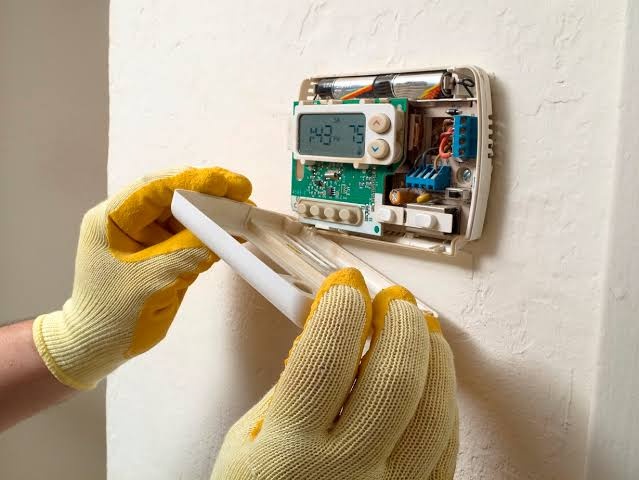
A thermostat may be one of the smallest components in an HVAC system, but it plays a major role in maintaining indoor comfort and managing energy consumption. When a thermostat is inaccurate, poorly configured, or malfunctioning, even a high-quality heating and cooling system may struggle to maintain the desired temperature.
As smart home technology continues to evolve in 2026, homeowners are increasingly upgrading their thermostats and paying more attention to proper maintenance. Professional Thermostat Service can help ensure accurate temperature control, reliable HVAC operation, and better energy management throughout the year.
The thermostat acts as the communication point between you and your HVAC system. When the indoor temperature changes, it signals the heating or cooling equipment to turn on or off according to the selected settings.
A properly functioning thermostat helps maintain:
When the thermostat provides inaccurate readings or fails to communicate properly with the HVAC equipment, the entire system can be affected.
Thermostat problems can sometimes be mistaken for larger HVAC issues. Recognizing the warning signs can help homeowners determine when professional attention is needed.
Common symptoms include:
A professional inspection can determine whether the problem is related to the thermostat, wiring, HVAC equipment, or another component.
Professional Thermostat Service involves more than simply replacing batteries or changing a temperature setting. An HVAC technician can inspect the thermostat and its connection to the entire comfort system.
Depending on the situation, service may include:
Proper diagnosis helps prevent homeowners from replacing a thermostat unnecessarily when the actual problem may be elsewhere in the HVAC system.
Smart thermostats have become increasingly popular because they provide homeowners with more control over their indoor environment. Unlike traditional thermostats, many smart models can learn household routines and adjust temperatures automatically.
Popular smart features include:
Homeowners can adjust temperatures from smartphones, tablets, or other connected devices, even when they are away from home.
Customized schedules can reduce unnecessary heating or cooling when a home is empty while restoring comfortable temperatures before occupants return.
Some smart thermostats provide information about HVAC usage, helping homeowners understand when and how their system consumes energy.
Advanced models can provide reminders for filter changes and other routine HVAC tasks.
Many thermostats can connect with other smart-home devices, creating a more automated approach to indoor comfort.
These features make thermostat technology an important part of modern HVAC management.
Even a sophisticated thermostat may provide inaccurate readings if it is installed in an unsuitable location.
A thermostat should generally be positioned away from factors that can artificially influence temperature readings, such as direct sunlight, drafts, heat-producing appliances, and poorly conditioned areas.
An HVAC professional can evaluate thermostat placement and determine whether relocation would improve temperature accuracy.
Correct placement can help the thermostat better represent the actual conditions in the living space.
A malfunctioning or incorrectly calibrated thermostat can cause an HVAC system to run longer than necessary. Over time, this may increase energy consumption and place additional strain on heating and cooling components.
Professional Thermostat Service helps ensure that temperature settings accurately correspond with HVAC operation.
A properly functioning thermostat can help:
However, thermostat performance should always be considered alongside the condition of the HVAC equipment itself.
Not every thermostat problem requires replacement. In some cases, calibration, wiring repairs, or configuration changes may resolve the issue.
Replacement may be worth considering when:
A professional technician can compare the condition of the existing thermostat with available replacement options and recommend a suitable model.
Today's HVAC systems are increasingly sophisticated. Variable-speed air conditioners, heat pumps, advanced furnaces, and zoning systems may require compatible controls to operate correctly.
Choosing a thermostat simply because it has attractive smart features does not guarantee compatibility. The thermostat must be capable of communicating correctly with the HVAC equipment.
Professional installation can help ensure:
This is particularly important when upgrading an older HVAC system with modern controls.
Thermostat performance should be considered during routine HVAC maintenance. Technicians can verify that the thermostat is communicating correctly and that temperature readings correspond with actual indoor conditions.
Routine checks may identify small problems before they affect comfort or increase energy consumption.
Combining thermostat inspections with regular filter replacement, airflow checks, coil cleaning, and HVAC maintenance creates a more complete approach to home comfort.
Whether you need troubleshooting, calibration, repair, or replacement, choosing an experienced HVAC professional is important.
Look for a provider that offers:
An experienced technician can help homeowners select and maintain a thermostat that complements their HVAC equipment and household needs.
A thermostat is a small but essential part of a home's heating and cooling system. When it works correctly, it provides accurate temperature control and helps the HVAC system operate efficiently. When it fails, even a properly functioning air conditioner or furnace may struggle to maintain comfort.
Professional Thermostat Service can address calibration problems, connectivity issues, wiring concerns, compatibility challenges, and outdated controls. In 2026, upgrading to a properly configured smart thermostat can also provide greater convenience, improved scheduling, and better visibility into energy use.
By combining reliable thermostat technology with regular HVAC maintenance, homeowners can enjoy more consistent comfort, smarter energy management, and dependable climate control throughout the year.

This post has been authored and published by one of our premium contributors, who are experts in their fields. They bring high-quality, well-researched content that adds significant value to our platform.










Dutables provides reliable educational resources, study materials, academic guides, and learning content to help students and educators succeed.